What to Look for When Buying Land: An Architect’s Guide
Friday, 5 December 2025
We’re often brought in after a section has been purchased, only to discover issues that could have been avoided with a little guidance early on. That’s why we created this guide—based on years of experience helping clients assess land across New Zealand. Whether you're eyeing a lifestyle block, a tight city section, or a coastal retreat, here’s what to keep in mind.
Zoning and Planning Rules - Before you fall in love with a site, check what it's actually zoned for—residential, rural, or mixed-use. Each council has its own rules around:
- Building height limits
- Setbacks from boundaries
- Coverage limits (including building coverage, impermeable surfaces, and landscaped areas)
These rules shape what you can build, how much outdoor space you’ll have, and how water and sunlight interact with the land. A quick look at your local unitary plan is a great first step—and we can help interpret what it means for your goals.
Covenants, Easements and Legal Layers - Some sites come with legal restrictions that affect design:
- Covenants might limit materials, colours, or additional dwellings
- Easements could relate to shared driveways, stormwater routes, or utility access
We always recommend reviewing the Record of Title and ordering the LIM report and property file from council. These documents reveal:
- Consent history and past issues
- Drainage and infrastructure plans
- Natural hazard risks (e.g. flooding, liquefaction)
- Protected trees or heritage elements
For bonus insight, consider requesting property files for neighbouring sites too. They can help you anticipate future developments or issues around sunlight, privacy, and setbacks.
Sunlight and Orientation - In New Zealand, north-facing sites generally offer the best natural light and warmth. But it’s not just about direction—trees, hills, and buildings all play a role.
A well-oriented home means better comfort, lower energy bills, and the ability to design with passive solar principles. We can help you spot both the opportunities and the hidden compromises of any site.
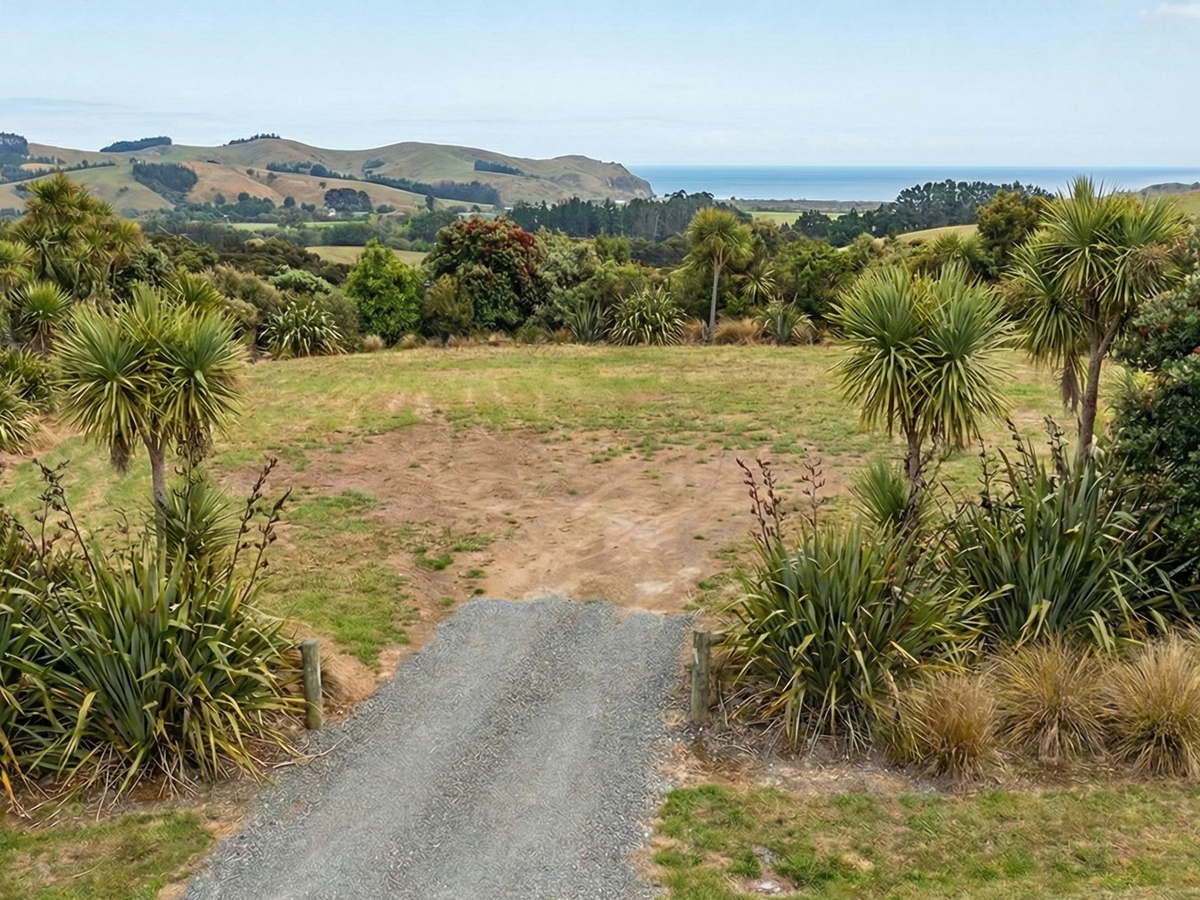
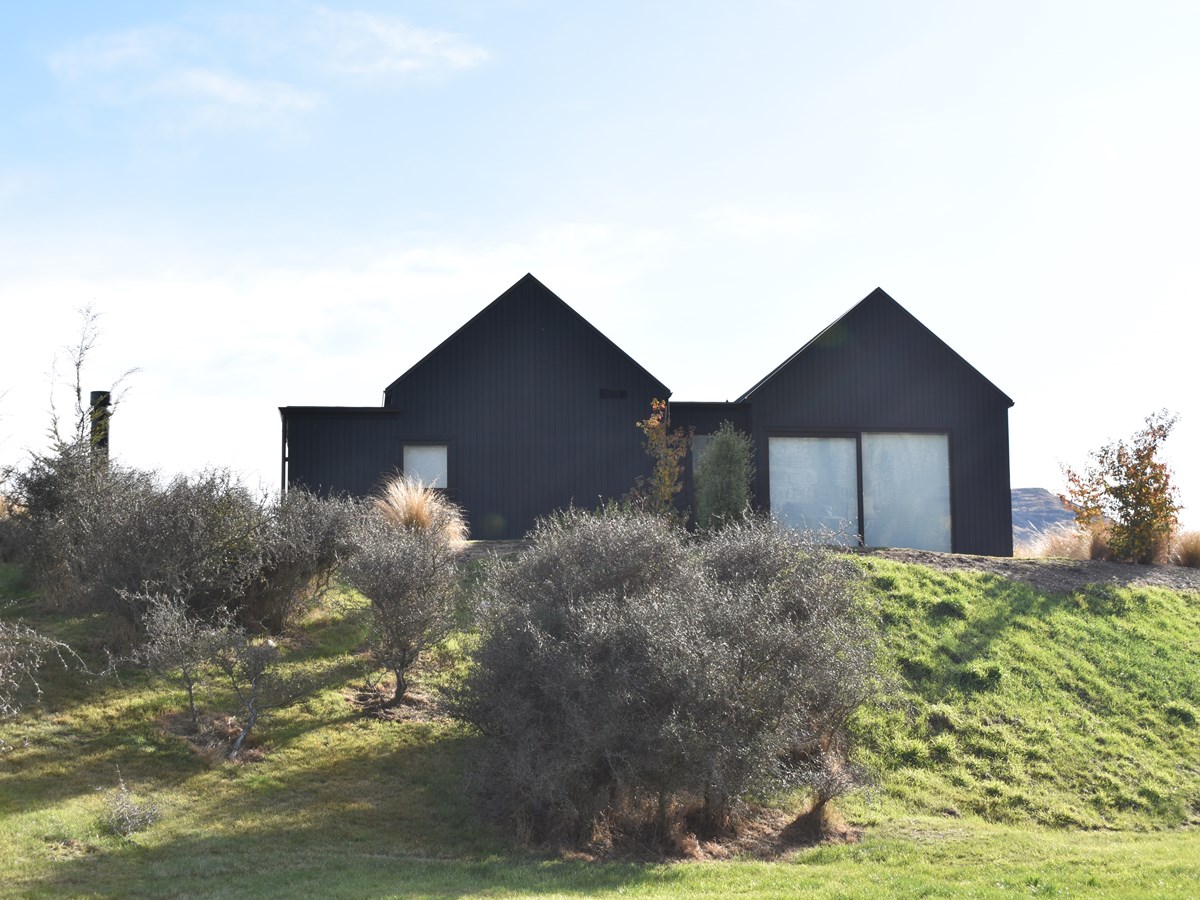
Topography and Site Shape - Flat sites are easier and more affordable to build on—but don’t rule out a slope. Sloping or oddly shaped land can offer privacy, creative design potential, and amazing views.
That said, you’ll need to factor in:
- Retaining walls and foundation complexity
- Earthworks and drainage
- Site access for builders and materials
We’ve worked with all kinds of terrain—and we’re happy to help you weigh up the practical vs. poetic possibilities.
Soil and Ground Conditions - Soil type affects your foundation design, engineering costs, and even what kind of landscaping will thrive. Watch for soft or reactive soils, high water tables, or liquefaction zones (especially in areas like Christchurch).
If you're serious about a site, a geotechnical report is essential—and worth every dollar.
Services and Infrastructure - Check whether the site is connected (or easily connectable) to:
- Power
- Water
- Sewer or septic
- Internet and fibre
In remote or semi-rural areas, connection costs can add up fast. Some of our clients are surprised at how early these decisions impact the design—especially for homes with long driveways or off-grid ambitions.
Powerlines and Safety Setbacks - Overhead powerlines can be easy to overlook—but they often require large safety setbacks, limiting where you can build and how tall your structure can be.
Relocating or undergrounding powerlines is possible, but it’s usually expensive. We always recommend flagging powerlines early in the due diligence phase and getting input from utility providers if needed.
Flood Risk and Natural Hazards - Is the site prone to flooding, erosion, or bushfire risk? These factors can influence everything from insurance to construction methods to council consent.
The LIM report will usually identify hazards—and if not, we can help you check overlays, zoning tools, and hazard maps for peace of mind.
Neighbours and Future Development - Look beyond the boundaries. Is the next section a future subdivision? Could a new two-storey house block your view?
We also suggest getting to know your neighbours before you might need their support. Many design features (like setbacks or shared driveways) require neighbour approval. A good relationship can make the process easier—and friendlier.
Cultural and Environmental Factors - Many sites in Aotearoa have cultural or environmental significance. You may need:
- Iwi consultation
- Ecological or archaeological assessments
- Protection for wetlands, native bush, or waterways
We approach every project with respect for the whenua and the communities connected to it. Designing well means honouring the land as much as building on it.
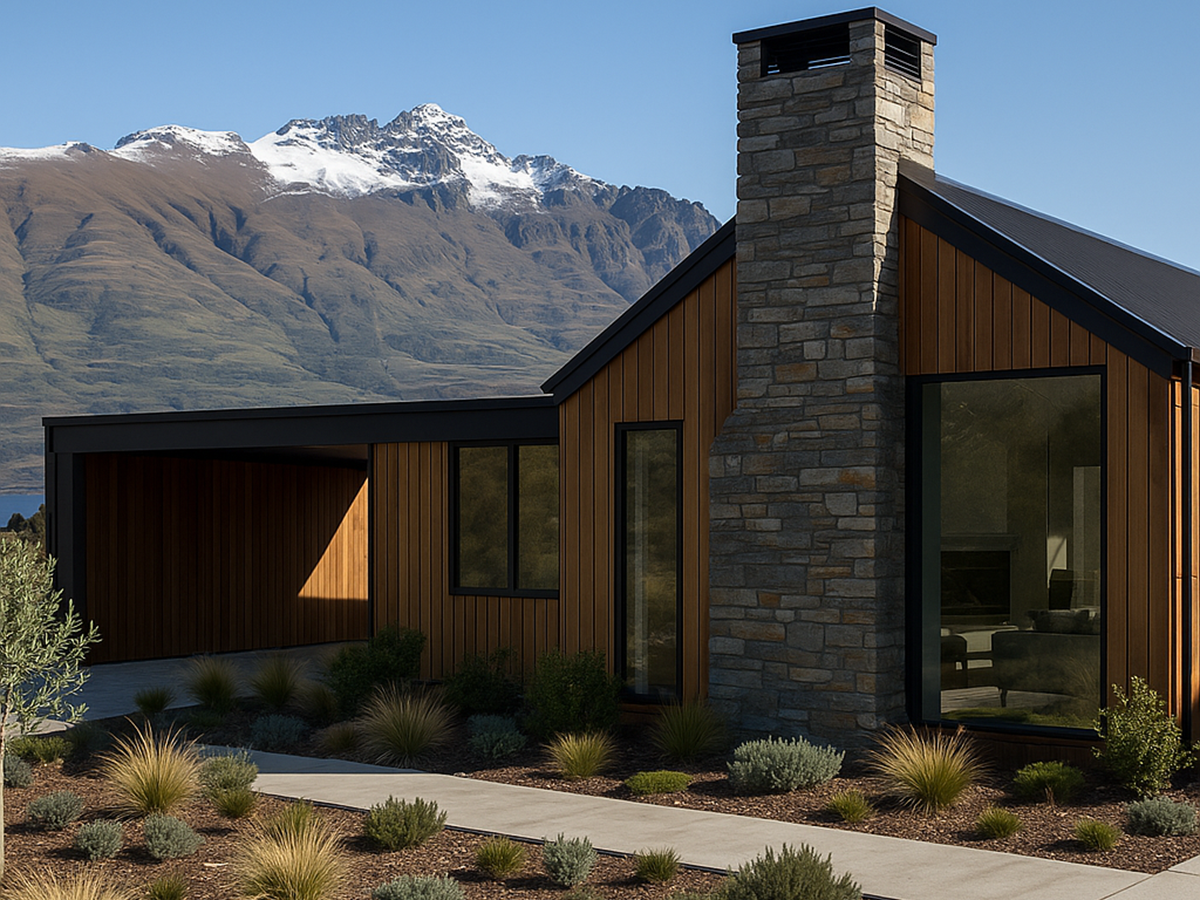
Architectural Potential - Finally—does the site feel right? Does it inspire you? A great site supports your future home with natural light, privacy, views, and lifestyle potential.
We always recommend a site visit with your architect before you buy. It’s a small investment that can uncover hidden constraints—or help you see creative opportunities others might miss.
Free Download: Land Buyer’s Checklist - We've put together a free Land Buyer’s Checklist you can print, save, or share. It's designed to help you stay focused while assessing potential properties—based on everything we look for ourselves.
Click Here To Download the Checklist PDF
Want more helpful guides like this? Subscribe to our mailing list, and we’ll send you practical design insights, client stories, and land-buying tips straight from our studio.
Let’s Talk - Have a site in mind? We’d love to talk. A quick consultation can save you thousands—and open up new design possibilities from day one.
We’re based in Auckland and Queenstown, and our hands-on team regularly travels to meet clients on-site.
Whether you're considering a suburban infill or a rural escape, we’d love to hear about your ideas.
Contact Us with the site address and a few notes about your vision. Let’s explore what’s possible together.