Karamata Peak Queenstown
Tuesday, 20 January 2026Karamata Peak is one of the most significant new residential opportunities on Queenstown Hill, positioned high above Lake Whakatipu with wide alpine outlooks and close connection to central Queenstown. For buyers looking to build a bespoke Queenstown home, it offers something increasingly difficult to find: elevated land, strong architectural potential, and a setting where the design of the house will matter as much as the view.
This is not a site for a generic plan. The best homes at Karamata Peak will need to respond carefully to slope, sun, exposure, privacy, landscape, and the way each building sits within the broader hillside. For Nala Studio Architects, that is exactly what makes the development interesting.
What is Karamata Peak?

Karamata Peak is a premium residential enclave on Queenstown Hill, with freehold sections being released for sale across a wider masterplanned hillside development. The residential development consists of approximately 100 sections, sold under 3 releases.
The sections vary in size and outlook, from more compact hillside lots through to larger elevated sites. For buyers, the opportunity is clear: Karamata Peak offers serviced residential land in a highly elevated Queenstown Hill setting, with the ability to design a bespoke Queenstown new build rather than adapt an existing home. The development is supported by a masterplan, design guidelines, covenants, and lot-specific controls intended to protect the character and quality of the overall environment
Location
Karamata Peak is located on Queenstown Hill, above Lake Whakatipu and Queenstown’s town centre. The development is accessed from the top of Vancouver Drive and sits above established residential areas on Queenstown Hill.
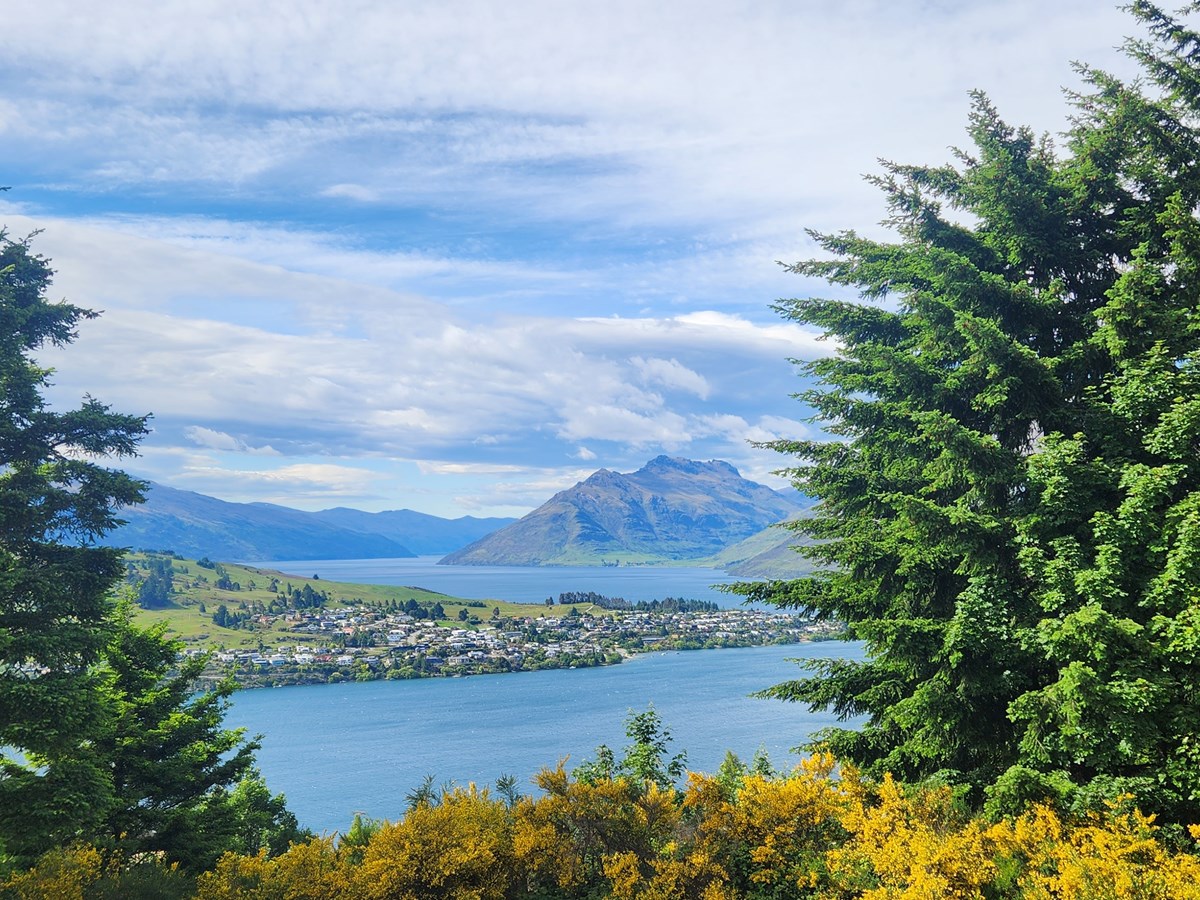
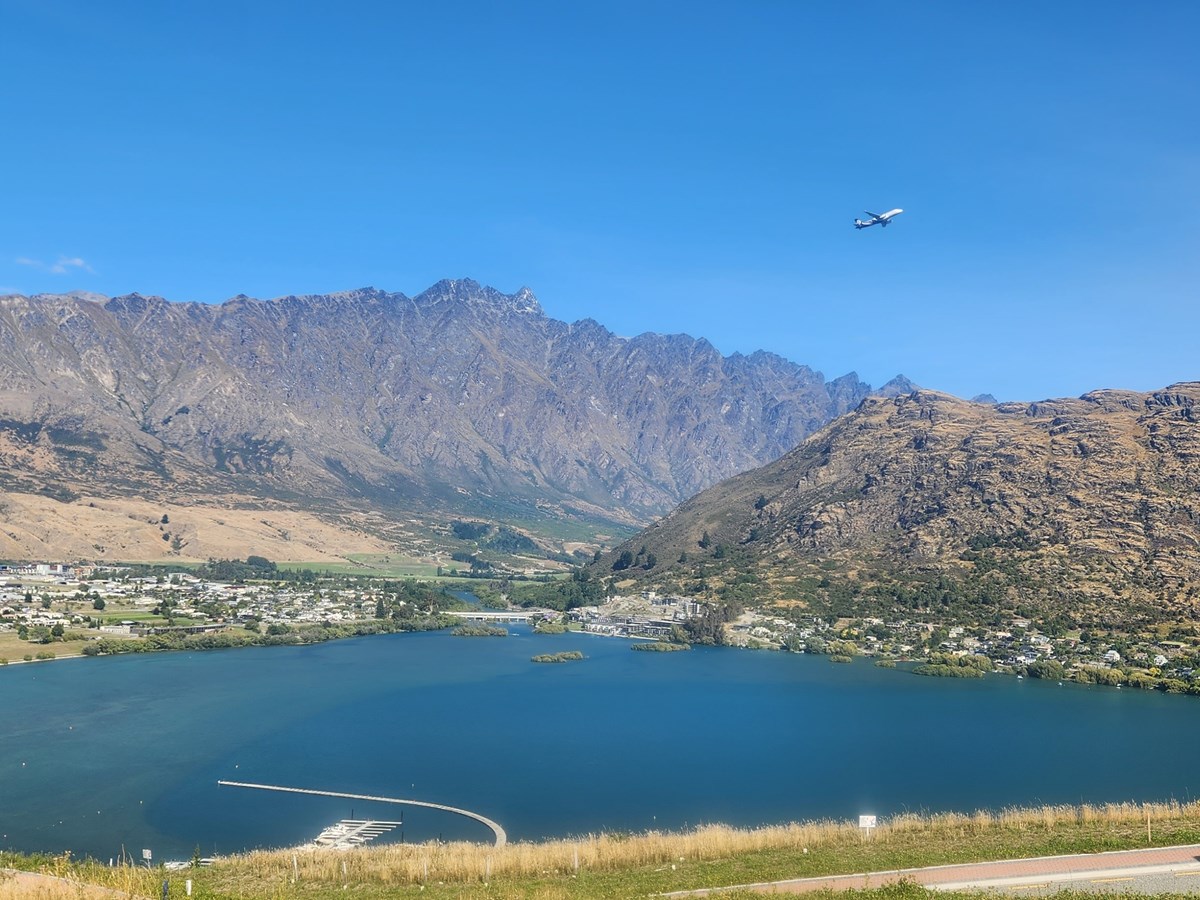
This location is important for several reasons. It is close enough to Queenstown’s centre to feel connected to the town, lakefront, hospitality, and everyday amenities, yet elevated enough to offer a very different residential experience. The outlooks take in Lake Whakatipu, Queenstown, and the surrounding mountain ranges, with the alpine landscape forming a constant presence.
For an architectural house in Queenstown, that combination of proximity and elevation is powerful. It creates opportunities for homes that open towards long views, step with the land, shelter outdoor rooms from wind, and use materiality to settle the building into the hillside rather than compete with it.
What we love about Karamata Peak
From an architectural perspective, Karamata Peak is compelling because it is not a flat, simple subdivision. The slope, exposure, and outlook will shape every good design decision.
The elevated views are the obvious attraction, but the more interesting challenge is how to live well on the site. A successful home here will need to frame the outlook without turning every room into a glass box. It will need to balance view and privacy, capture winter sun where possible, manage summer heat gain, and create outdoor spaces that are sheltered enough to be used across more of the year.
The alpine character also calls for restraint. Karamata Peak will suit contemporary Queenstown homes with strong, simple forms, durable materials, and a clear relationship between building and landscape. Heavy-handed architecture could feel exposed on this hillside. A better approach is to let the land lead: step the house with the contour, keep roof forms controlled, use recesses and courtyards to create shelter, and choose materials that feel robust, natural, and settled.
For Nala Studio Architects, the opportunity is to design homes that feel refined but grounded, homes that make the most of Lake Whakatipu and the mountain outlook while still feeling calm, private, and comfortable day to day.
Design guidelines and covenants
Karamata Peak is subject to design guidelines and restrictive covenants. These controls are intended to protect the quality, alpine character, view corridors, and overall coherence of the development.
For purchasers, this should be seen as a positive framework rather than a limitation, provided it is understood early. Design guidelines can help prevent poor-quality outcomes, protect neighbouring amenity, and create a more consistent long-term environment. They also mean that site planning, building height, materials, landscape design, and overall architectural character need to be considered from the beginning.
Before buying or settling on a section, we would recommend reviewing the design guide, covenant documentation, contours, viewshed information, height controls, services, and geotechnical information with your architect, planner, and lawyer.
Tips for building at Karamata Peak

The first decision is not what the house looks like. It is whether the section itself suits the way you want to live.
At Karamata Peak, buyers should look carefully at orientation, outlook, slope, access, privacy, and neighbouring lot relationships. Two sections may have similar views but very different design implications. One may allow a house to sit naturally with the contour, while another may require more complex retaining, access, foundations, and excavation.
Sun will be especially important. Elevated Queenstown sites often offer remarkable views, but the best outlook is not always in the same direction as the best winter sun. A good design should test this early, using the plan to bring warmth, light, and outlook together rather than allowing one to dominate the other.
Slope should be treated as a design opportunity, not simply a cost problem. Split-level planning, undercroft garaging, stepped living areas, protected courtyards, and layered outdoor rooms can make a hillside house feel natural and generous. Poorly resolved slope design can quickly lead to expensive earthworks, awkward entries, exposed decks, and homes that feel disconnected from the land.
Privacy also needs careful thought. On an elevated site, homes can be highly visible from below and from neighbouring lots. Window placement, screening, planting, level changes, and the orientation of outdoor living areas all become part of the architectural strategy.
Queenstown’s climate should influence the building from the beginning. Durable cladding, robust roofing, thermally efficient glazing, high insulation levels, airtightness, controlled ventilation, and well-considered shading will all contribute to comfort and long-term performance. A luxury home in Queenstown should not only photograph well; it should feel warm, quiet, and resilient through winter, shoulder seasons, and hot summer afternoons.
Engaging a Queenstown architect early is valuable, ideally before settlement or before finalising a section purchase. Even a preliminary site review can help identify likely build complexity, consent issues, view opportunities, design guideline constraints, and whether the section is genuinely suited to the home you have in mind.
Architectural opportunities
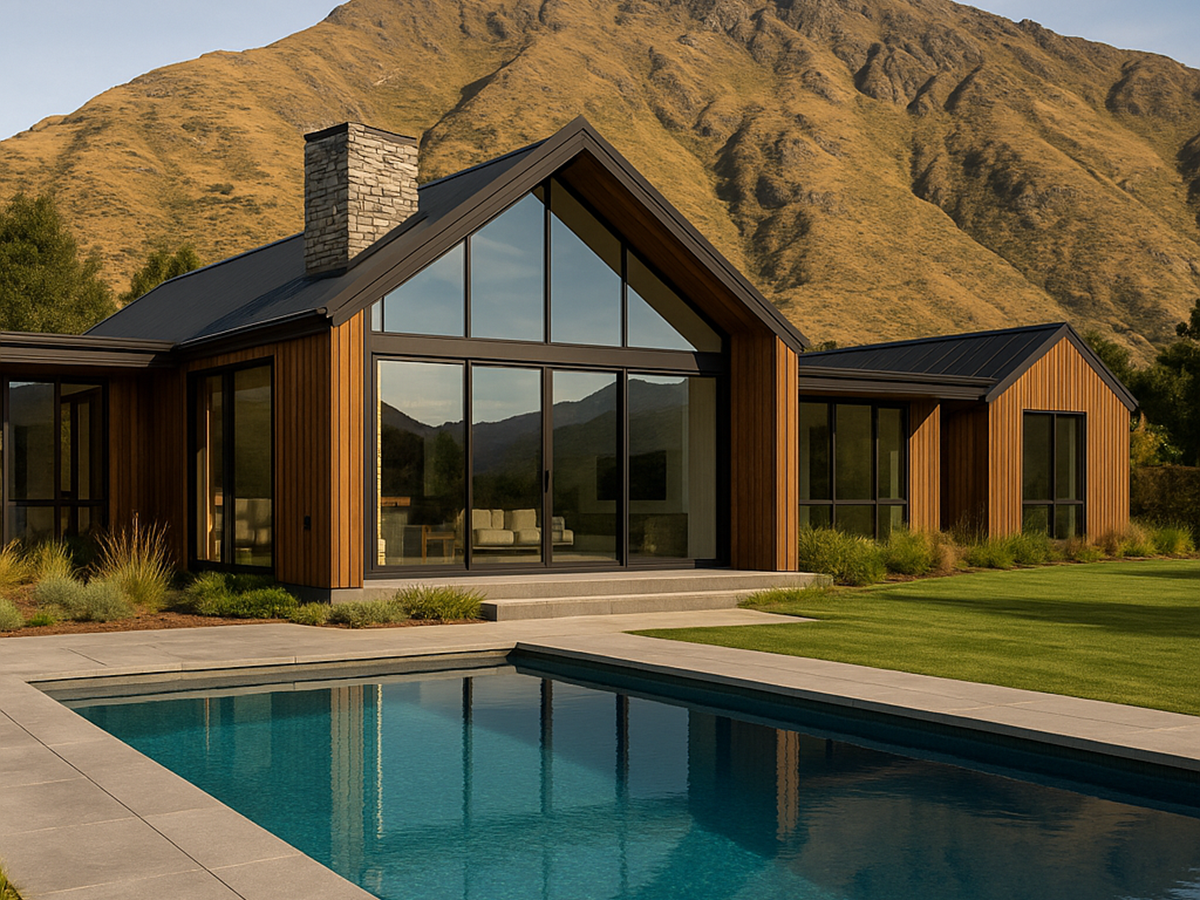
Karamata Peak lends itself to contemporary alpine architecture: strong forms, natural materials, sheltered outdoor spaces, and careful siting. Homes here may suit a layered approach, with living spaces oriented towards Lake Whakatipu and the mountain outlook, bedrooms arranged for privacy and quiet, and outdoor rooms positioned to capture sun while being protected from prevailing weather.
Materials should feel appropriate to the Queenstown setting. Stone, dark metal, timber, textured masonry, low-glare glazing, and recessive colour palettes can all work well when used with restraint. The aim should not be to imitate a lodge, nor to create an overly urban object on the hill, but to design a home that belongs to its terrain.
High-performance design thinking will also be important. Passive solar planning, efficient glazing strategy, airtight construction, insulation, thermal bridge reduction, and good ventilation can make a major difference in Queenstown’s climate. These decisions are easiest and most cost-effective when they are built into the concept design, rather than added later.
Nala Studio Architects brings experience in bespoke residential architecture, high-end new homes, Queenstown and Central Otago sites, passive solar design, and high-performance building principles. We also understand the practical side of delivering a Queenstown new build: interpreting design guidelines, coordinating consultants, working through resource consent and building consent, and shaping an architectural response that is both ambitious and buildable.
Is Karamata Peak right for your Queenstown home?
Karamata Peak Queenstown offers a rare elevated setting on Queenstown Hill, with strong potential for a considered architectural home above Lake Whakatipu. It will appeal to buyers who value proximity to town, alpine views, and the chance to create a home shaped around their site rather than selected from a standard plan.
It is also a development where due diligence matters. Slope, earthworks, height controls, design guidelines, privacy, services, build cost, and Queenstown’s climate all need to be understood before design decisions become fixed.
The best homes at Karamata Peak will be those that respond to the land rather than dominate it. They will use the view well, but not rely on it alone. They will feel warm, sheltered, durable, and quietly confident in their alpine setting.
If you are considering a section at Karamata Peak, Nala Studio Architects can help you review the site, assess its design potential, understand the guidelines, and begin shaping a bespoke Queenstown home that belongs on the hill.